Let’s talk real numbers that directly impact your salon’s bottom line. When choosing between IPL (Intense Pulsed Light) and a high-quality 808 nm diode laser, the key difference isn’t just in treatment effectiveness — it’s in long-term operating costs, downtime, and overall profitability.IPL Systems: High Ongoing Consumable CostsIPL devices rely on xenon flash lamps (or replaceable cartridges/handpieces) that have a limited lifespan:
Average resource: Typically 100,000 to 500,000 flashes per lamp (professional salon-grade systems often on the lower end; home devices may claim higher but deliver less power).
Replacement frequency: Every 6–18 months in a busy salon, depending on daily procedure volume.
Cost per replacement: $800–$2,000+ for a new lamp, cartridge, or handpiece (including labor if needed).
Over 5 years: Expect 4–10 replacements, totaling $5,000–$20,000+ in consumables alone.
Add to that:
Frequent downtime during replacements.
Potential service calls and calibration after each swap.
Lower energy consistency over time, which can lead to more sessions per client (and dissatisfied customers).
808 nm Diode Laser (Premium Quality Stack): Minimal Ongoing CostsHigh-end diode lasers use solid-state laser bars (stacks) that are built to last:
Resource: 10–50 million flashes (commonly 20–30 million in professional machines with brands like Coherent or Dilas bars).
Lifespan: One stack easily handles 5–10+ years of intensive salon use.
Replacement needed?: Rarely — often only once per decade or never within the machine’s operational life.
Over 5 years: Virtually zero additional consumable costs (just routine maintenance like water filters).
Additional advantages:
No frequent lamp changes → minimal downtime.
Stable power output throughout the lifespan → consistent results, fewer touch-ups needed.
Lower service requirements overall.
Real-World Profit Calculation ExampleAssume a busy salon performs 10 full-body hair removal sessions per day (average ~2,000–5,000 flashes per session, depending on spot size and area):
Annual flashes: ~7–18 million (over 300 working days).
IPL: You’d burn through multiple lamps yearly → $3,000–$10,000+ annual consumables.
Diode 808 nm: A single quality stack covers multiple years → annual consumable cost near $0.
Result over 5 years? You could save $20,000–$50,000+ on replacements, service, and lost revenue from downtime.More Procedures = Higher Profit + Happier Clients
Diode lasers deliver faster treatments (larger spot sizes, higher repetition rates) → more clients per day.
Superior long-term hair reduction (often 80–90% permanent after 6–8 sessions vs. IPL’s variable results) → better reviews, repeat business, and referrals.
Painless experience with built-in cooling → higher client satisfaction and retention.
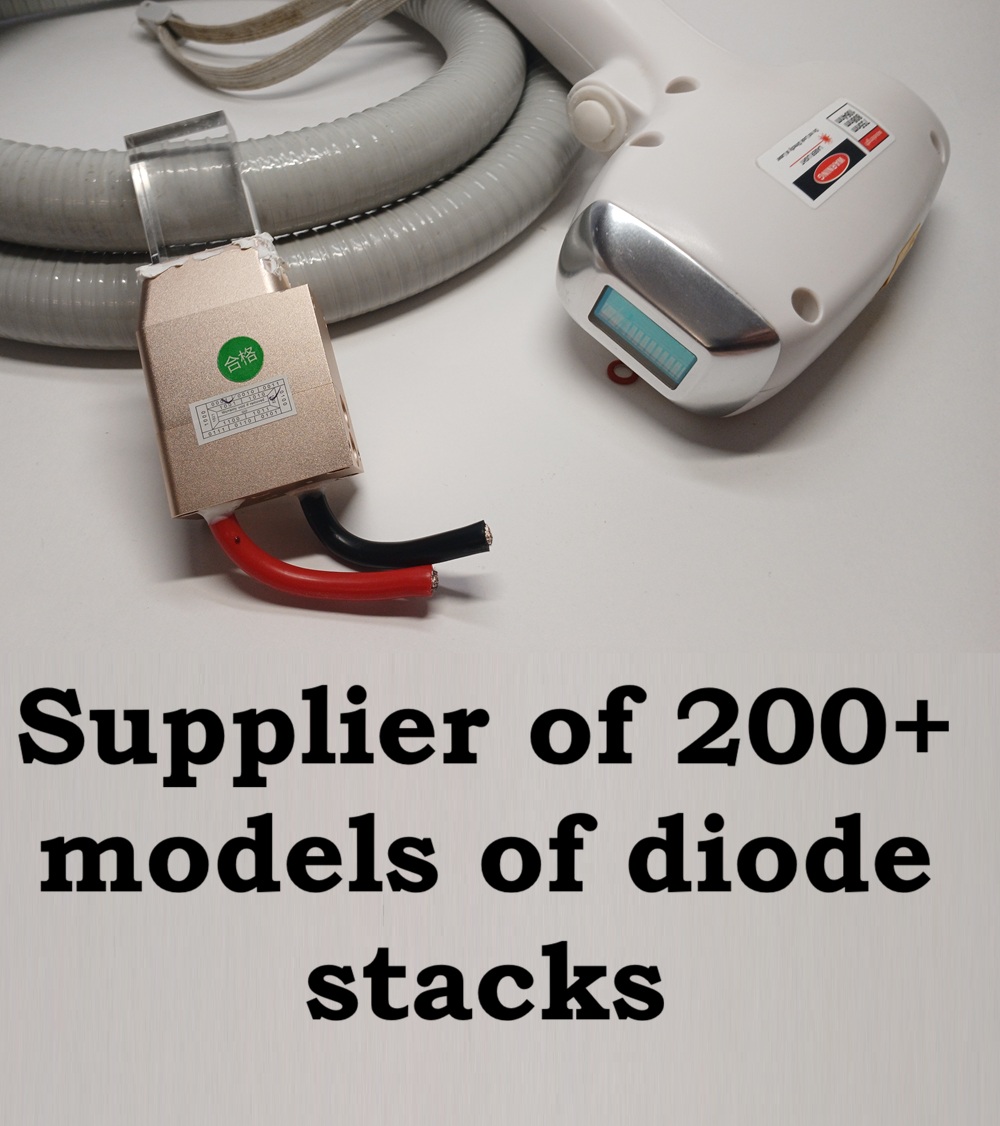
Invest once in a reliable 808 nm diode laser stack (from trusted manufacturers like those using Coherent or German Dilas bars), and forget about constant expenses eating into your profits. The upfront cost pays for itself quickly through savings and increased revenue.At Romshi, we specialize in premium 808 nm diode stacks engineered for maximum durability and efficiency. Need stacks, handpieces, repairs, or full systems? Contact us — we’re manufacturers dedicated to helping salons maximize profitability!
High procedure speed: 808 nm diode lasers operate with a repetition rate of up to 10–20 Hz, allowing large areas (back, legs) to be treated in 15–30 minutes, compared to 1–2 hours with IPL.
- More stable energy: The diode laser delivers consistent power throughout its entire lifespan, unlike IPL where energy decreases as the lamp wears out, reducing effectiveness.
- Fewer consumables: Apart from the stack, diodes have virtually no consumables — only water filters every 6–12 months (costing $50–100), versus expensive lamps and cartridges in IPL.
- Better penetration depth: 808 nm penetrates up to 4–6 mm deep, effectively targeting even deeply located follicles, which IPL often fails to achieve due to its broad spectrum.
- Fewer sessions per course: Clients typically need 6–8 sessions with a diode laser versus 8–12 with IPL for similar results, increasing client loyalty and turnover.
- Year-round operation: The 808 nm diode is safe even on lightly tanned skin (with proper settings), while IPL is strictly contraindicated on tanned skin due to burn risks.
- Lower power consumption: Diode devices consume 1–3 kW, while IPL systems often use 5–10 kW, significantly reducing electricity bills in the salon.
- Ease of maintenance: The diode stack does not require calibration after each client or frequent adjustments, unlike IPL where the spectrum and energy need constant monitoring.
- Higher average check: Thanks to its premium status and better results, salons can charge 20–50% more for diode hair removal than for IPL.
- Longer equipment lifespan: A high-quality diode laser lasts 10–15 years under intensive use, whereas IPL devices often require full replacement or major repairs after just 5–7 years